
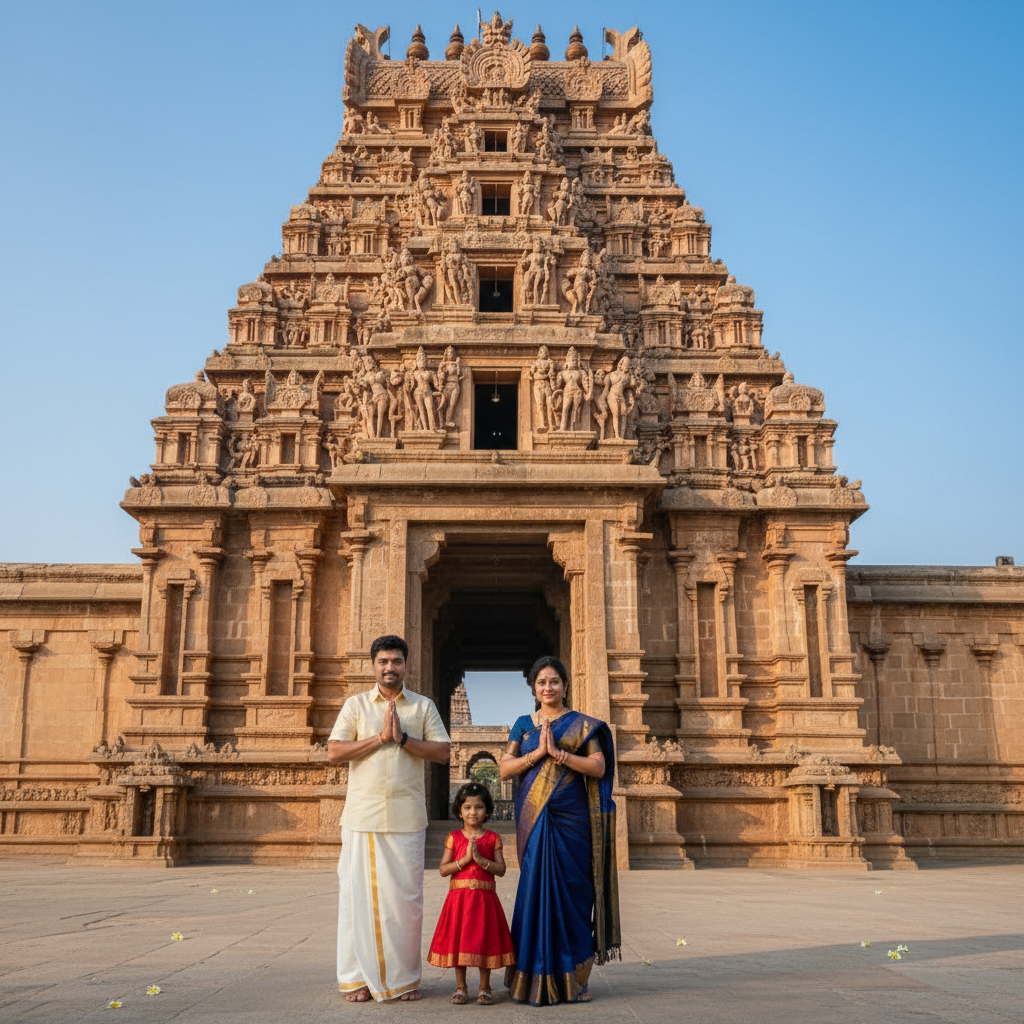
Mastering the Temple Darshan: An Essential Guide for Pilgrims
Embarking on a pilgrimage is more than just a journey; it is a profound spiritual quest that nourishes the soul. In India, and particularly in the ancient land of Tamil Nadu, the temple is the heart of this experience. Visiting a sacred temple offers a unique opportunity to connect with the divine, absorb centuries of history, and witness architectural marvels. However, to truly immerse yourself in the sanctity of the darshan, preparation is key. This guide will provide you with essential tips to navigate your temple visit, ensuring it is a smooth, respectful, and deeply fulfilling experience.
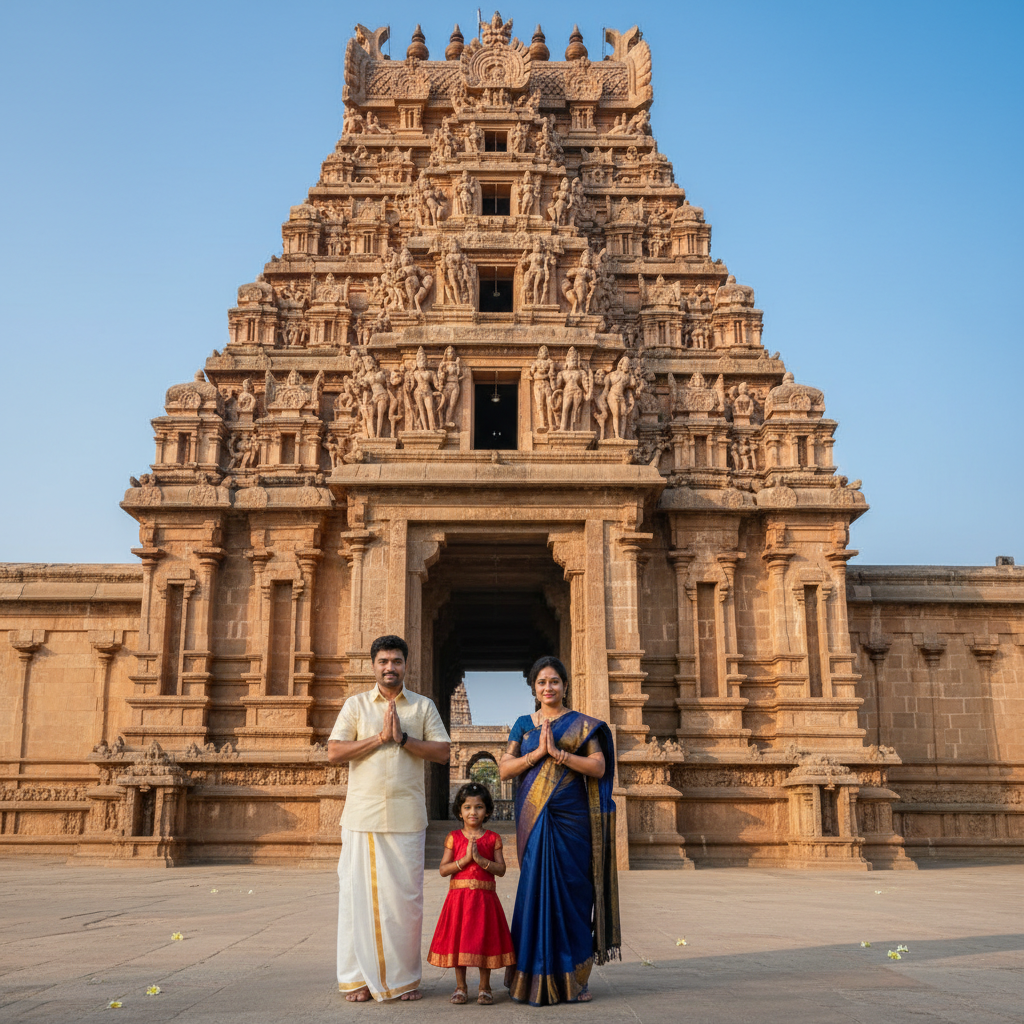
The Art of Planning Your Temple Pilgrimage
A successful spiritual journey begins long before you step foot on sacred ground. Thoughtful planning can transform a potentially chaotic trip into a serene pilgrimage. The initial phase of planning is crucial for setting the tone for your entire temple tour.
Researching Your Destination Temple
Each temple has its own unique history, presiding deity, specific rituals, and operating hours. Before you go, take some time to learn about the temple you plan to visit.
- Timings: Temple opening and closing times can vary. Many temples in South India close in the afternoon for a few hours (typically between 12 PM and 4 PM). Knowing the schedule for darshan, poojas, and special rituals helps you plan your day effectively.
- Significance: Understanding the story behind the temple, the deity (moolavar), and its spiritual significance (sthala puranam) will deepen your connection and appreciation during the visit.
- Special Sevas: Many temples offer special entry tickets or sevas that can reduce your waiting time in queues. Researching these options beforehand can be a great time-saver, especially during peak seasons.
Choosing the Best Time to Visit
The timing of your visit can significantly impact your experience. Festival days and auspicious periods draw massive crowds, which can be an electrifying experience of collective faith but also overwhelming. If you prefer a quieter, more contemplative visit, consider traveling during the off-season or on regular weekdays. The early morning hours are often the most peaceful and spiritually charged time for a temple darshan.
The Advantage of a Guided Tour Package
Navigating the logistics of a multi-city pilgrimage can be complex. This is where specialized tour operators shine. Opting for one of the many {{internal_link:Tamil Nadu temple tour packages}} can alleviate the stress of planning transportation, accommodation, and darshan timings. A well-organized package ensures you can focus purely on your spiritual goals. These packages often include knowledgeable guides who can share invaluable insights into the history and rituals of each temple, enriching your journey immeasurably. For complex routes, this becomes almost essential.
What to Expect: A Step-by-Step Temple Darshan Guide
The experience of visiting a large South Indian temple can be a sensory overload for the uninitiated. From the scent of incense and camphor to the sound of ringing bells and chanted mantras, it is an immersive experience. Knowing the general flow of a darshan can help you navigate it with ease and reverence.
The Dress Code: Respect and Tradition
The first rule of visiting any holy place is to dress modestly and respectfully. For men, this typically means a dhoti or trousers with a shirt. For women, a saree, a salwar kameez with a dupatta, or a long skirt is appropriate. Avoid wearing shorts, short skirts, tank tops, or other revealing clothing. Some famous temples have very strict dress codes, so it is always best to err on the side of caution. Dressing appropriately shows respect for the local culture and the sanctity of the temple.
Offerings and Rituals
Before entering the main shrine, you will often find small shops selling offerings like coconuts, flowers, fruits, and incense. Making an offering is a symbolic gesture of devotion. Inside the temple, you will proceed towards the main sanctum, the Garbhagriha, where the primary deity is housed. Priests will be present to perform aarti and distribute prasad (blessed food) or holy water (theertham). Receive these with your right hand as a sign of respect.
Navigating the Sanctum Sanctorum (Garbhagriha)
This is the most sacred part of the temple. As you approach, maintain a prayerful attitude. Due to crowds, your time in front of the deity might be very brief, often just a few seconds. Try to have a focused moment of prayer or meditation. Avoid pushing or rushing; the queue will move in an orderly fashion. After receiving darshan of the main deity, it is customary to visit the shrines of other deities within the temple complex.
Navigating Famous South Indian Temple Circuits
Tamil Nadu is a land of temples, with several established pilgrimage circuits that attract devotees from around the world. These tours are designed to cover temples of specific significance, making for a powerful and cohesive spiritual journey.
The Spiritual Journey: A Temple Tour of Madurai Rameshwaram
One of the most revered pilgrimage routes in South India is the {{internal_link:temple tour Madurai Rameshwaram}}. This journey connects two of the most iconic temples in the state.
- Madurai: Home to the magnificent Meenakshi Amman Temple, a sprawling complex dedicated to Goddess Meenakshi and Lord Sundareswarar. The temple is an architectural masterpiece, and its vibrant atmosphere is an experience in itself.
- Rameshwaram: Located on an island, the Ramanathaswamy Temple is one of the twelve Jyotirlinga shrines of Shiva. A key ritual here involves bathing in the 22 holy theerthams (wells) within the temple complex before having darshan of the main deity.
A well-planned tour ensures you have ample time to perform the necessary rituals at both locations, making the journey spiritually complete.
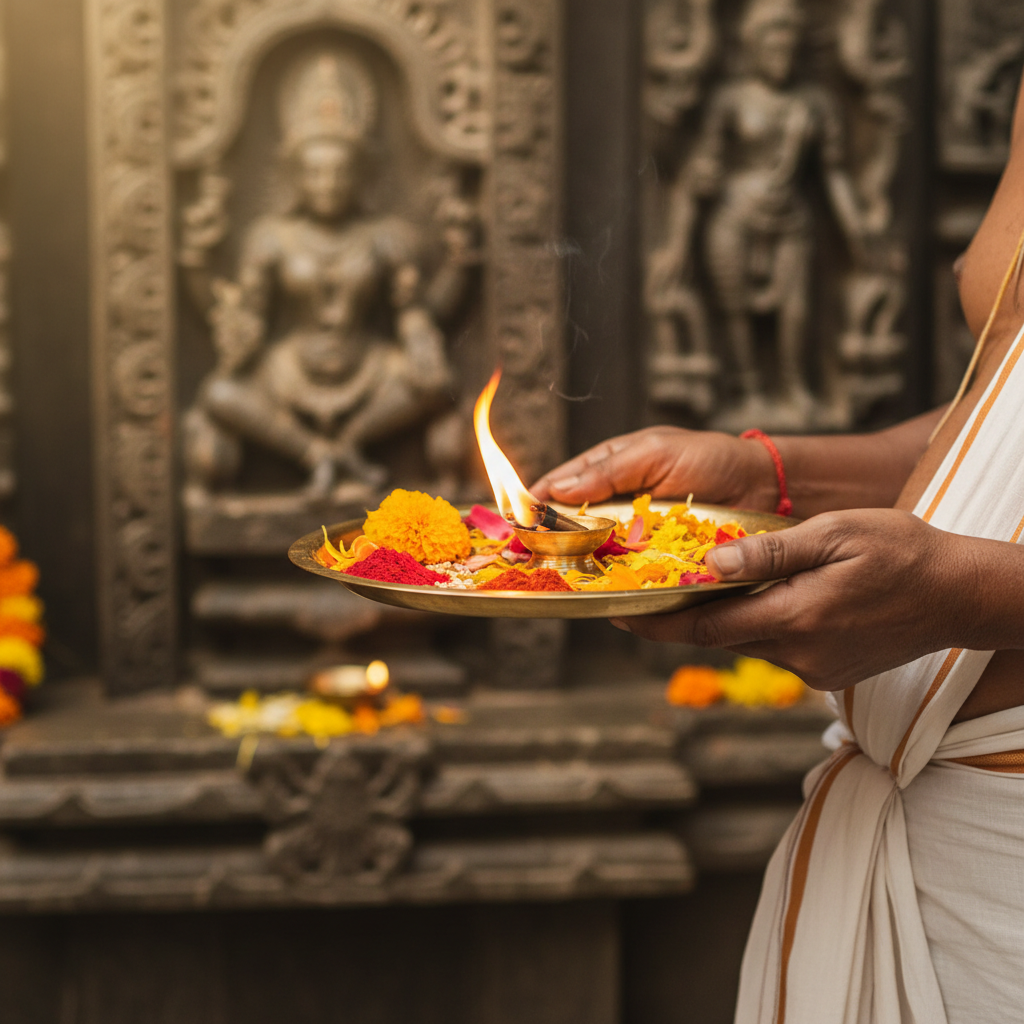
Seeking Planetary Blessings: Thirunallar Darshan and Navagraha Temples
The Navagraha temples are a cluster of nine temples, each dedicated to one of the nine celestial bodies as per Hindu astrology. A tour of these temples is believed to mitigate the negative effects of the planets. A key part of this circuit is Thirunallar, the temple dedicated to Lord Shani (Saturn).
Specialized {{internal_link:Thirunallar Darshan packages}} cater specifically to devotees wishing to appease Lord Shani. These tours are often part of the larger {{internal_link:Pancha Bhoota Sthalam Navagraha Temple Tour Package}}, which combines visits to the temples representing the five elements with the nine planetary temples. Such a comprehensive tour is a profound astrological and spiritual pilgrimage, and managing its complex itinerary is best left to experienced tour providers who understand the routes and rituals involved.
Essential Etiquette for Every Temple Visitor
Observing proper etiquette is crucial for maintaining the sanctity of the temple environment and showing respect to fellow devotees. Keep these simple rules in mind:
- Remove Footwear: Always remove your shoes and socks before entering the temple premises. Most temples have a designated counter where you can leave your footwear for a small fee.
- Silence Your Phone: Switch your mobile phone to silent mode or turn it off completely.
- Circumambulation (Pradakshina): It is customary to walk around the main shrine in a clockwise direction. This is usually done an odd number of times (e.g., 1, 3, 5).
- Maintain Silence: Speak softly and avoid loud conversations. The temple is a place for prayer and introspection.
- Photography: Photography is often restricted, especially inside the sanctum sanctorum. Look for signs indicating the rules and always be respectful.
- Respect Queues: Follow the queue system patiently. Do not try to cut in line.
- Do Not Point Your Feet: When sitting inside the temple, avoid pointing your feet towards the deities or other people. It is considered disrespectful.
Tips for a Safe and Spiritually Fulfilling Temple Visit
A little practical preparation can go a long way in ensuring your health and safety, allowing you to focus on your spiritual experience.
Staying Healthy and Hydrated
The South Indian climate can be hot and humid. Carry a bottle of water and stay hydrated, but be mindful of temple rules about bringing food and drink inside. Eat at clean, reputable places to avoid stomach ailments. Carry any personal medications you might need.
Managing Crowds and Queues
Large temples can be extremely crowded. Be aware of your belongings and keep valuables secure. If you are traveling with children or elderly family members, keep them close. Establishing a meeting point in case you get separated is a good idea. Patience is your best friend when navigating long queues.
Capturing Memories Respectfully
While you may want to capture the beauty of the temple, remember that it is a place of worship first. If photography is permitted, be discreet and avoid using flash. Never take pictures of people praying without their permission. The most important memories are the ones you will carry in your heart.
Conclusion: Your Path to a Divine Experience
A temple darshan is a journey of faith, devotion, and self-discovery. By planning ahead, dressing appropriately, understanding the rituals, and showing respect for the sacred space, you can transform your visit from a simple tour into a truly profound spiritual experience. Let go of worldly distractions, open your heart, and allow the divine energy of the temple to fill you with peace and blessings.
Ready to embark on your spiritual journey? Let us handle the details. At Temple Tours & Travels, we specialize in creating seamless and enriching pilgrimage experiences. Explore our expertly crafted Tamil Nadu temple tour packages or contact us to customize your sacred adventure today!
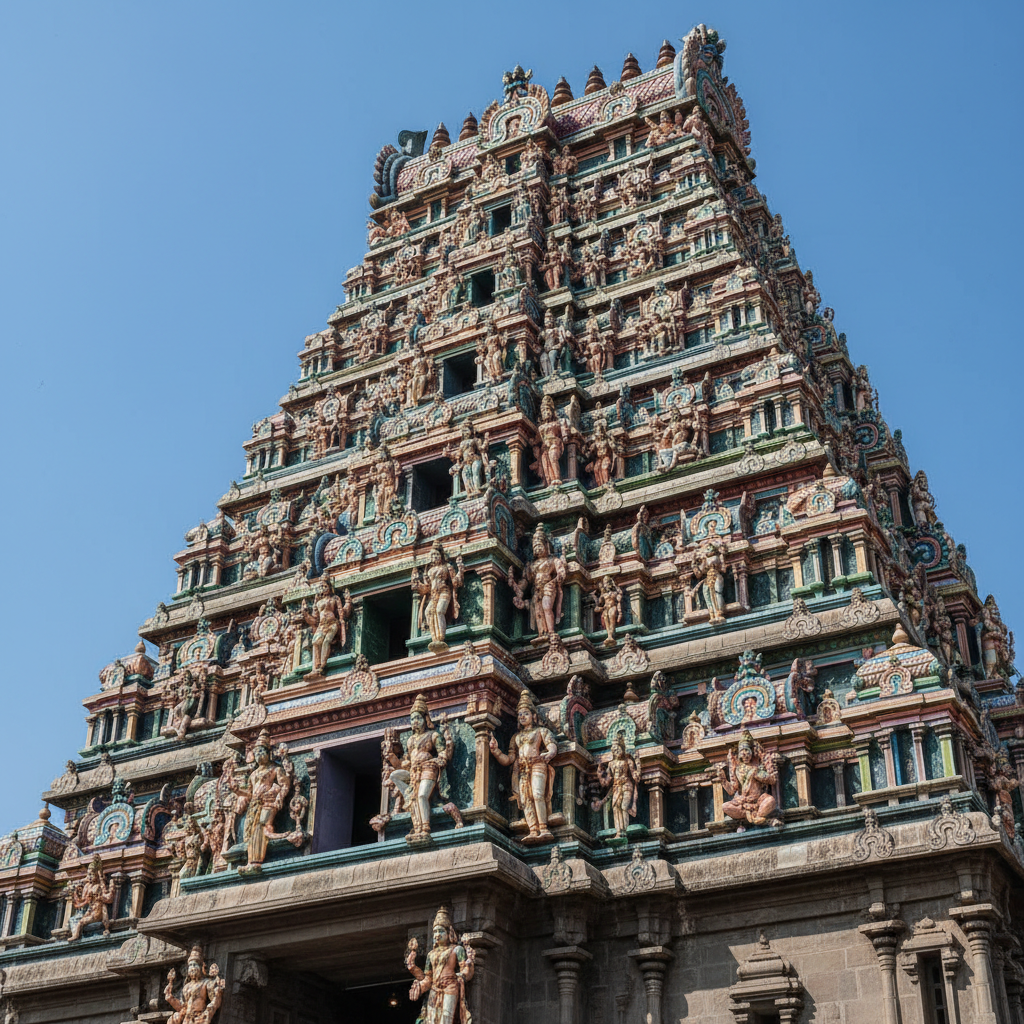
Frequently Asked Questions
What is the best dress code for visiting a temple in Tamil Nadu?
The best practice is to dress modestly. For men, a dhoti, or trousers with a shirt is ideal. For women, a saree, salwar kameez, or a full-length skirt is recommended. Avoid shorts, sleeveless tops, and revealing attire to show respect for the sacred environment.
Can I take photos inside the temple?
Photography rules vary from one temple to another. Generally, photography is strictly prohibited inside the main sanctum (Garbhagriha). In the outer courtyards, it may be allowed. Always look for signs or ask a temple official before taking pictures.
Are there special tickets to avoid long queues at temples?
Yes, many major temples offer ‘Special Darshan’ or ‘Seeghra Darshan’ tickets for a fee. These tickets provide access to a separate, faster-moving queue, significantly reducing your waiting time. It’s advisable to check the temple’s official website or inquire at the temple office.
Why is it recommended to book a temple tour package?
Booking a package like a temple tour of Madurai Rameshwaram or a Navagraha tour simplifies your pilgrimage. It handles all logistics, including transportation, accommodation, and sometimes even special darshan passes. This allows you to focus on your spiritual experience without worrying about travel arrangements.